
Freethought-Now

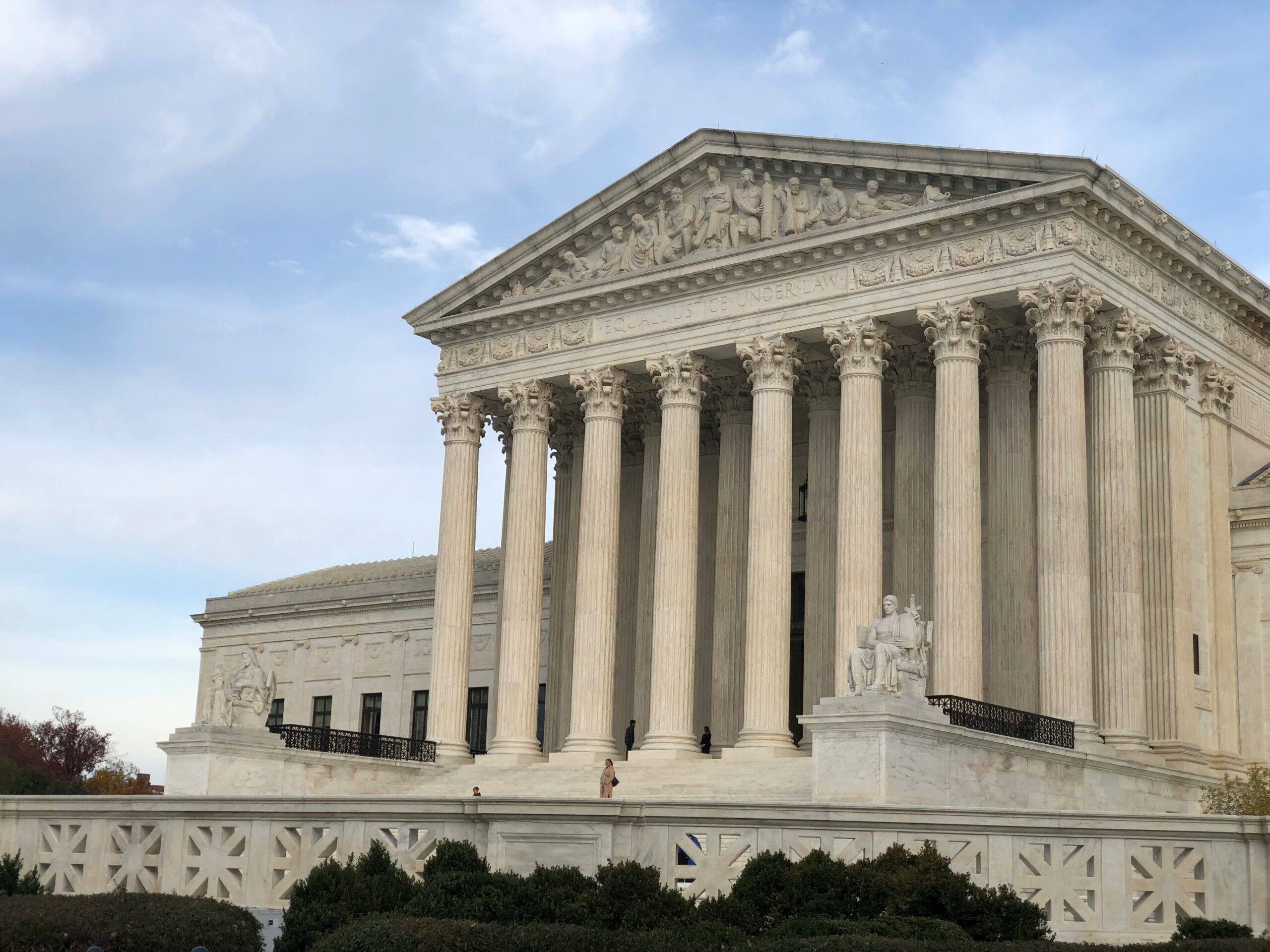
Last month, the U.S. Supreme Court issued a unanimous decision in favor of a street preacher, leading to some questions from our membership about whether this was yet another court ruling privileging religion. My answer would be no — with one caveat.
The concern from members was understandable given that the court under Chief Justice John Roberts is no stranger to deciding matters concerning religion. Over the last decade, it has strengthened religious Free Exercise rights of individuals while weakening Establishment Clause protections designed to keep religion and government separate. Cases such as Trinity Lutheran v. Comer, Carson v. Makin and Kennedy v. Bremerton all had direct impacts on the way religion is treated under the U.S. Constitution — giving religion more favorable constitutional treatment than before.
Even aside from cases that deal directly with faith-related laws, the court cannot seem to free itself from the throes of religion’s holy grasp. In 2015, the justices expanded free speech protections for religious messaging against content discrimination, and in 2023, they held that the government cannot compel anti-gay business owners to create a message that goes against their religious beliefs. These religious preference cases have shown no sign of slowing down.
On March 20, the court released its decision in Olivier v. City of Brandon, a case known colloquially as “the street preacher case.” The legal issue had nothing to do with religion — the court considered whether a constitutional challenge to a statute brought under Section 1983 of the U.S. Code was precluded if the plaintiff had already been convicted under said statute. Section 1983 authorizes civil rights suits against state officials for violating a plaintiff’s constitutional rights. The court’s unanimous opinion held that so long as the plaintiff was not seeking retrospective relief (that is, not seeking to overturn any prior fine or prison sentence), such a suit is allowed.
While the court’s core legal reasoning and decision make sense, the facts under which the challenge arose are notable. The man who brought the lawsuit is named Gabriel Olivier, and he is a street preacher in Mississippi. As noted in the court’s opinion, Olivier “believes that sharing his religious views with fellow citizens is an important part of exercising his faith.” Because of this, Olivier took to the sidewalks outside an amphitheater in the city of Brandon to evangelize passersby.
Due to other protesters and speakers frequenting the same area and causing disruption, the city enacted an ordinance establishing a dedicated area for demonstrations. For Olivier, that area just wouldn’t do — he found it too remote to be able to spread his religion to his liking. Instead, he chose to violate the ordinance and preach where he wanted anyway, disruptive effects be damned. He was convicted of the violation, fined and sentenced to a year of probation.
The core holding of this case does not directly implicate religion. Its holding extends beyond any faith-based context and opens an avenue for potentially aggrieved individuals to challenge government action as unconstitutional — a rare win from the Roberts Court for civil rights plaintiffs. Perhaps it’s more noteworthy, though, that a win for civil rights plaintiffs comes from a Christian preacher who decided his evangelism was too important for the rules that everybody else has to follow.
Herein lies yet another signal of this Supreme Court’s growing trend: If you bring a civil rights case to its attention, it sure helps if you’re religious.
Disclaimer: The views in this column are of the author and do not necessarily reflect those of the Freedom From Religion Foundation.
The post The U.S. Supreme Court: A little bit religious, even when it’s not appeared first on Freethought Now.
Leave a Reply
You must be logged in to post a comment.